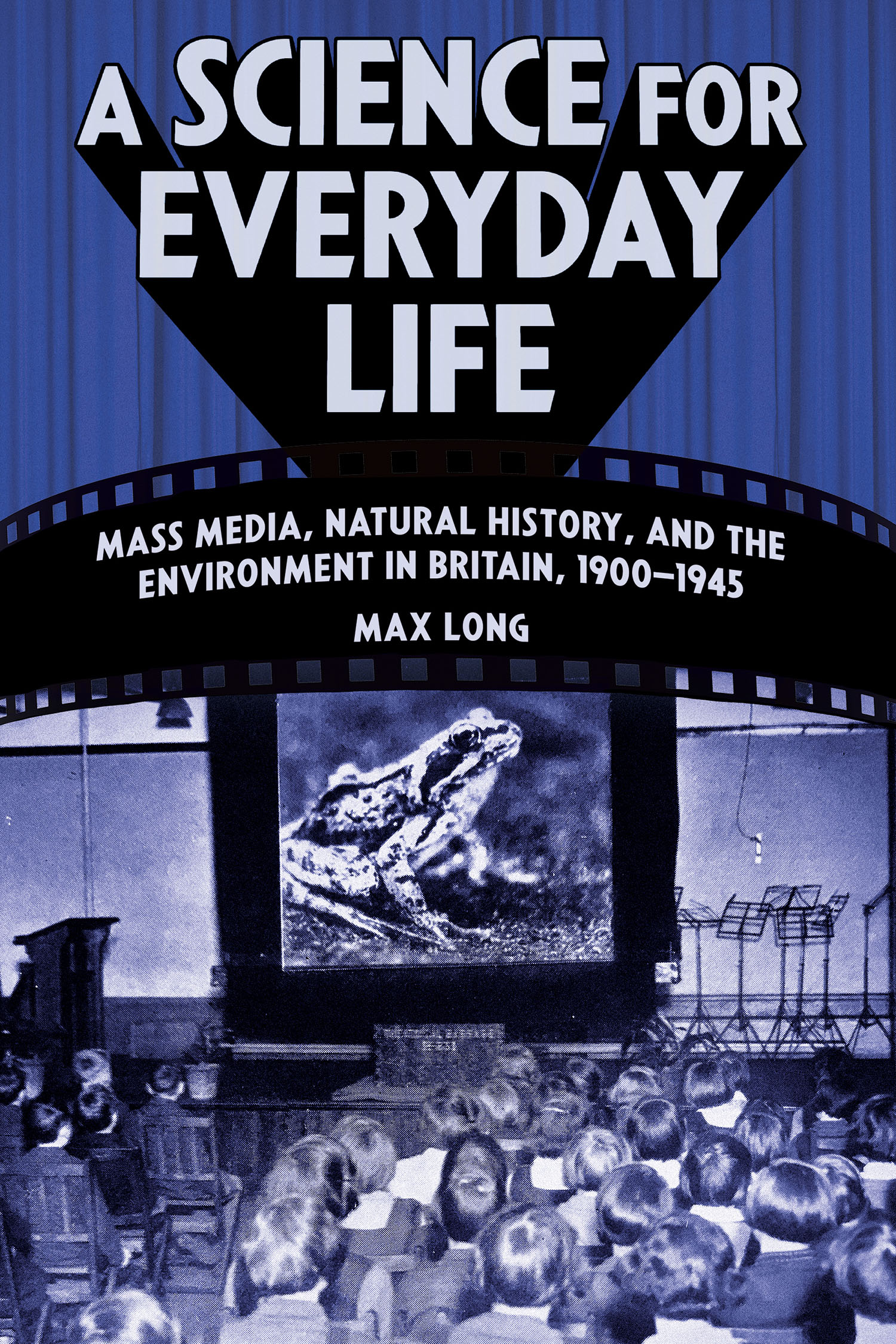
A Science for Everyday Life

Mass Media, Natural History, and the Environment in Britain, 1900-1945

A Science for Everyday Life is a groundbreaking exploration of the spaces, places, and cultures of new natural history media in the early twentieth century. Max Long leads us through rich encounters with people bursting with novel ideas and equipped with revolutionary techniques and technologies. He compellingly shifts historical understanding of how new media profoundly reshaped cultural perceptions about the wider natural world.
Andy Flack, University of Bristol

In twentieth-century Britain, popular natural histories reshaped the bounds of popular science by foregrounding the everyday experiences of ordinary people. With rapidly developing communications technologies, natural history blended into the experience of modern life, reaching millions of people through new media, which included radio, newspapers, cinema, and television. Max Long offers a detailed account of mass-media natural history in the first half of the twentieth century, drawing on personal accounts, memoirs, surveys, and audience reports that vividly capture ordinary people’s responses to these new modes of popular science. Audiences encountered natural history in a wide range of venues: in school classrooms, popular entertainment venues, and through domestic radio sets. Each of these settings offered different ways of engaging with knowledge about the natural world. These new modes of engagement with natural history, which had wide-reaching implications for the practice and definition of the discipline itself, have gone largely unremarked. The Science of Everyday Life blends a history of science approach with environmental, social, and media history, reframing how we perceive the dialogue between popular culture and scientific knowledge.

376 Pages, 6 x 9 in.

December, 2026

isbn : 9780822968306

about the author

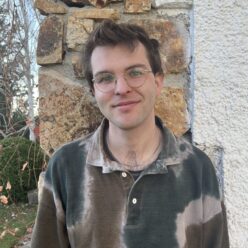
Max Long

Max Long is a historian of media, science, and the environment in twentieth-century Britain. He is a Darby Fellow in Modern History at Lincoln College, University of Oxford.

learn more
Max Long