
Hardcover $120.00
Also available in Paperback
Request Exam or Desk Copy. Request Review Copy
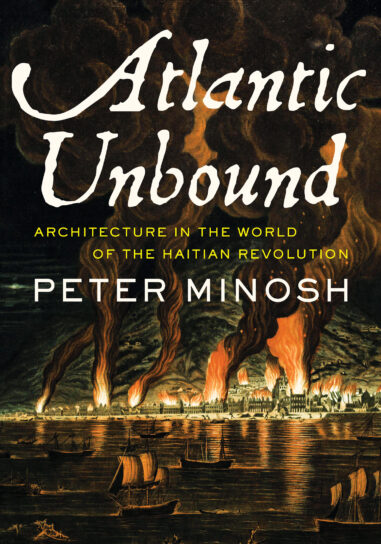
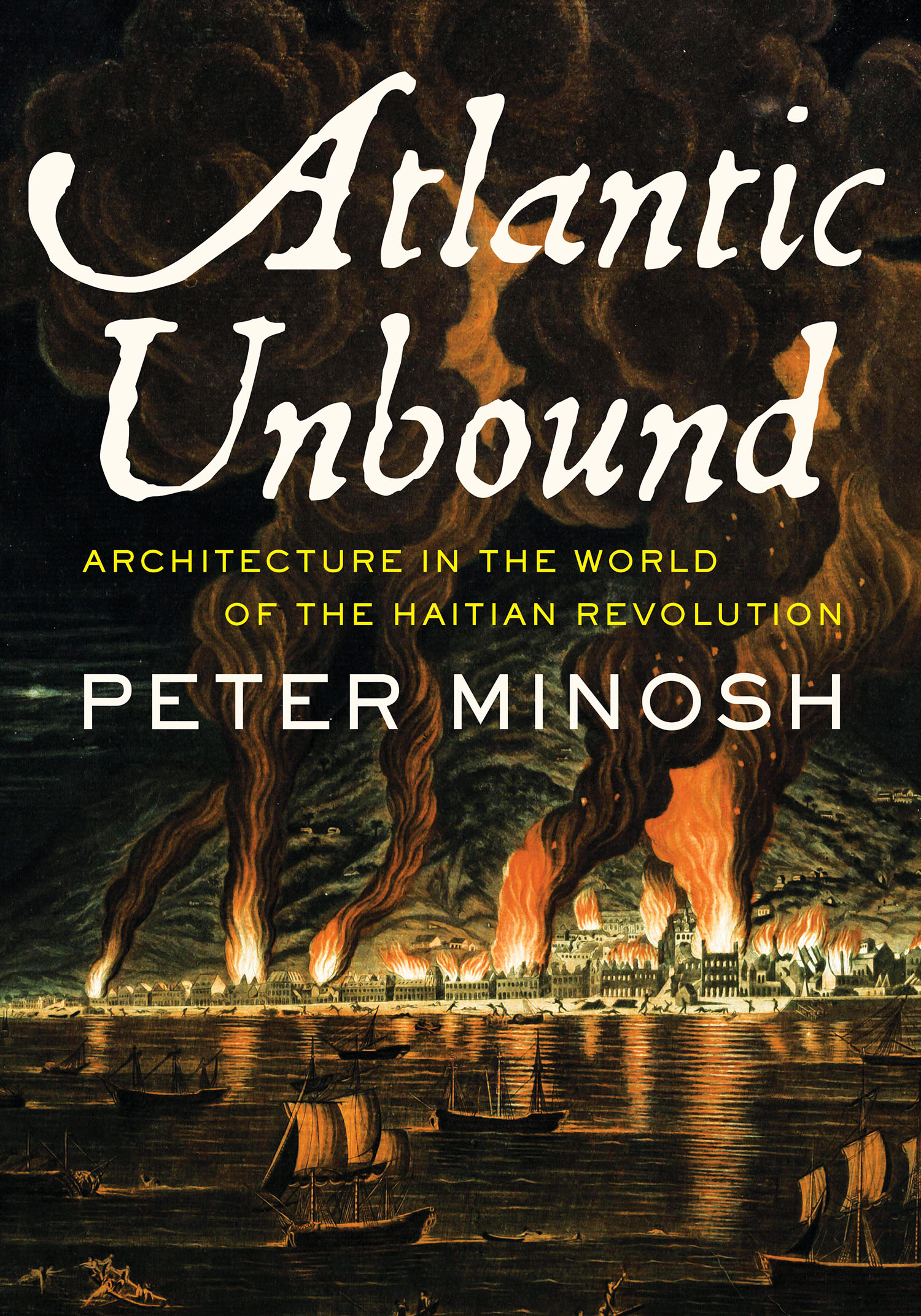
Atlantic Unbound
Architecture in the World of the Haitian Revolution
Atlantic Unbound is a remarkable book with a number of singular achievements. Using Haiti as a hub around which Caribbean, North American, and European cultural and political developments can be arrayed and analyzed is logical, innovative, and entirely necessary. The specific figures who are brought into the spotlight, along with their architectural endeavors, powerfully illuminate these Atlantic World places and the connections between them. Every single chapter is enlivened with unique and powerful insights, at times pulled from archives and at times drawn from the visual analysis of buildings, their remains, and/or their representations.
about the author

Peter Minosh is a historian of architecture, urbanism, and landscape with a focus on the relationship between politics and the built environment. He has taught at Oberlin College, Cornell University, University of Toronto, and Tufts University. Minosh has published in the Journal of the Society of Architectural Historians, Race and Modern Architecture, and Writing Architectural History.
learn more