
Paperback $35.00
Also available in Hardcover
Request Exam or Desk Copy. Request Review Copy
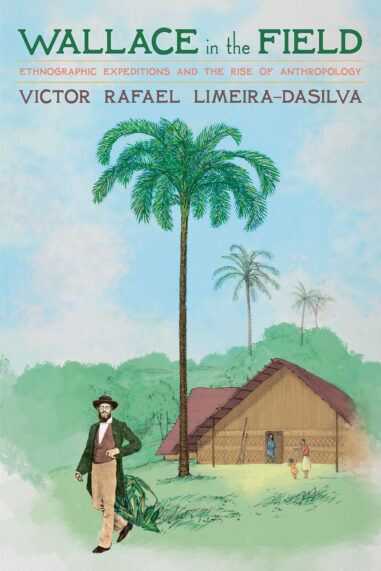
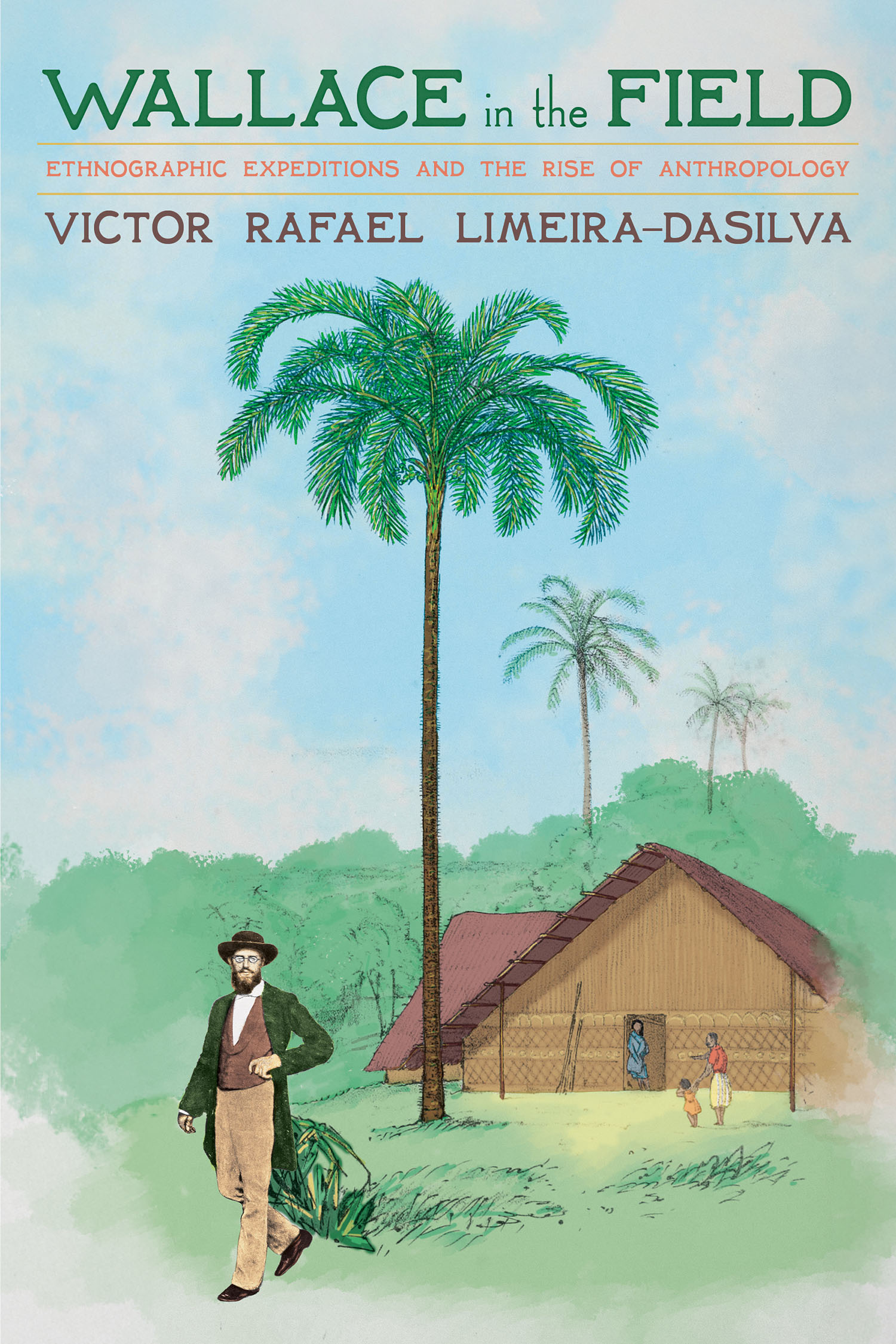
Wallace in the Field
Ethnographic Expeditions and the Rise of Anthropology
We know a lot about Alfred Russel Wallace. But the way his career was shaped by his early interests in the developing Victorian ‘science of man’ is much less well appreciated. In Wallace in the Field, Victor Rafael Limeira-DaSilva carefully traces the importance of Wallace’s anthropological work, especially in the Amazon but also in Wales and southeast Asia. Giving both a new perspective on a well-known historical figure and a fascinating study of the links between fieldwork, career-building, and the ideas and politics around the study of human diversity, this book will interest readers from across fields of study.
about the author

Victor Rafael Limeira-DaSilva is an historian of science and researcher at the Museu de Astronomia e Ciências Afins (MAST) in Brazil. His research focuses on the Brazilian and British contexts in the nineteenth and twentieth centuries, with special attention to the history of ethnological studies on Indigenous peoples in Brazil; the history of anthropology and “racial” science; the history of scientific cultures; the history of scientific explorers in South America; scientific collecting and anthropological museums; and the production of scientific knowledge within imperial globalization.
learn more